Real-World Problem Solving: When the Rotary Valve Becomes the Problem
Industry: Cement Manufacturing
Material: Lignite Coal
Bulk Density: 54 lbs./ft³
Particle Size: Up to 1.25"
Material Temperature: Ambient
Required Throughput: 4–6 MTPH
Duty Cycle: 24/7
Application: Coal Fired Power Generation
Location: Midwest, USA
The Problem
Every day, the maintenance team at this cement plant had to
clear a blocked rotary airlock feeding lignite coal into the plant's
alternative-fuels system.
The Raymond vertical mill itself was performing as expected.
The rotary airlock supplied with it was not.
Repeated rotor blockages had become part of the daily
maintenance routine, increasing maintenance costs and creating unscheduled
downtime.
Replacing the valve might have appeared to be a relatively
simple project.
It wasn't.
At Precision Machine & Manufacturing, we don't believe
in simply replacing one component with another and hoping the problem goes
away. Before recommending a solution, we evaluate the entire bulk material
handling application: The material, required throughput, equipment
configuration, available space, inlet and discharge conditions, duty cycle, and
how all of those variables interact in the real world.
Because bulk material handling systems that look good on
paper can perform very differently in the plant.
Understanding the Application
The first priority was understanding why the existing
rotary valve was creating problems.
Several factors immediately stood out.
The Material
Lignite coal, sometimes referred to as brown coal, presented
a difficult combination of material characteristics.
It is abrasive, and when moisture is present, it can become
prone to packing and clogging. With particle sizes reaching 1.25 inches and the
system operating continuously, component selection, valve construction, and
system configuration would all be critical to long-term reliability.
The Required Throughput
The system needed to consistently handle 4–6 MTPH.
That meant determining the correct rotary valve size based
on the actual application rather than simply matching the dimensions of the
existing equipment.
An undersized rotary valve can become a choke point in an
otherwise properly designed material handling system, which is exactly the case
here.
The Available Space
This created another challenge.
The properly sized replacement valve required more space
than the existing unit, which had been integrated into the original mill
configuration.
Simply removing the old valve and installing another one in
the same location wasn't an option.
Inlet and Discharge Geometry
Getting material into and out of a rotary valve is just as
important as selecting the valve itself.
The inlet transition needed to provide sufficient space and
the correct angle for lignite coal to enter the valve consistently. The
discharge transition had to allow the material to exit the valve without
creating another restriction.
And solving those issues led us to the most unusual part of
the application.
The Engineering Challenge
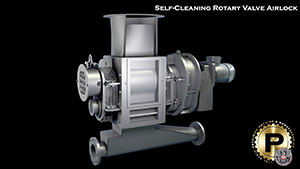
The available space required PMM's Self-Cleaning Rotary
Valve Airlock to be installed at approximately a
60-degree angle.
That created an engineering question we had not encountered
before:
Could the valve operate at that angle while
simultaneously maintaining its airlock functionality, accurately metering the
material, and consistently delivering 4–6 MTPH?
There was no value in solving the clogging problem if the
new installation compromised throughput, airlock performance, or material
metering.
So we went back through the application data.
Then we checked it again.
Material characteristics. Capacity. Rotor configuration.
Valve construction. Inlet geometry. Discharge geometry. Available space.
Operating angle.
Only after we were confident that the complete system would
perform as required did we move forward.
The Engineered Solution
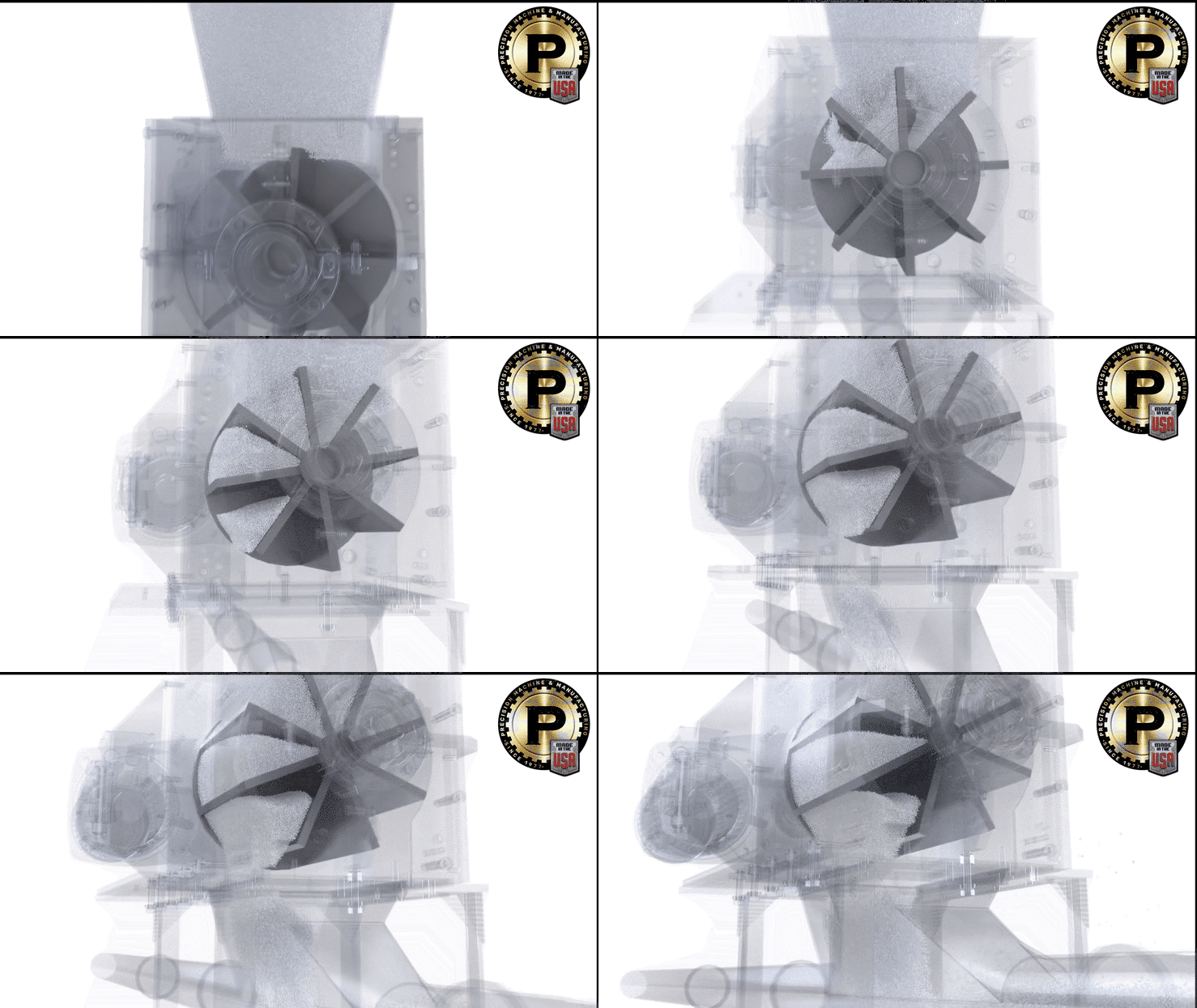
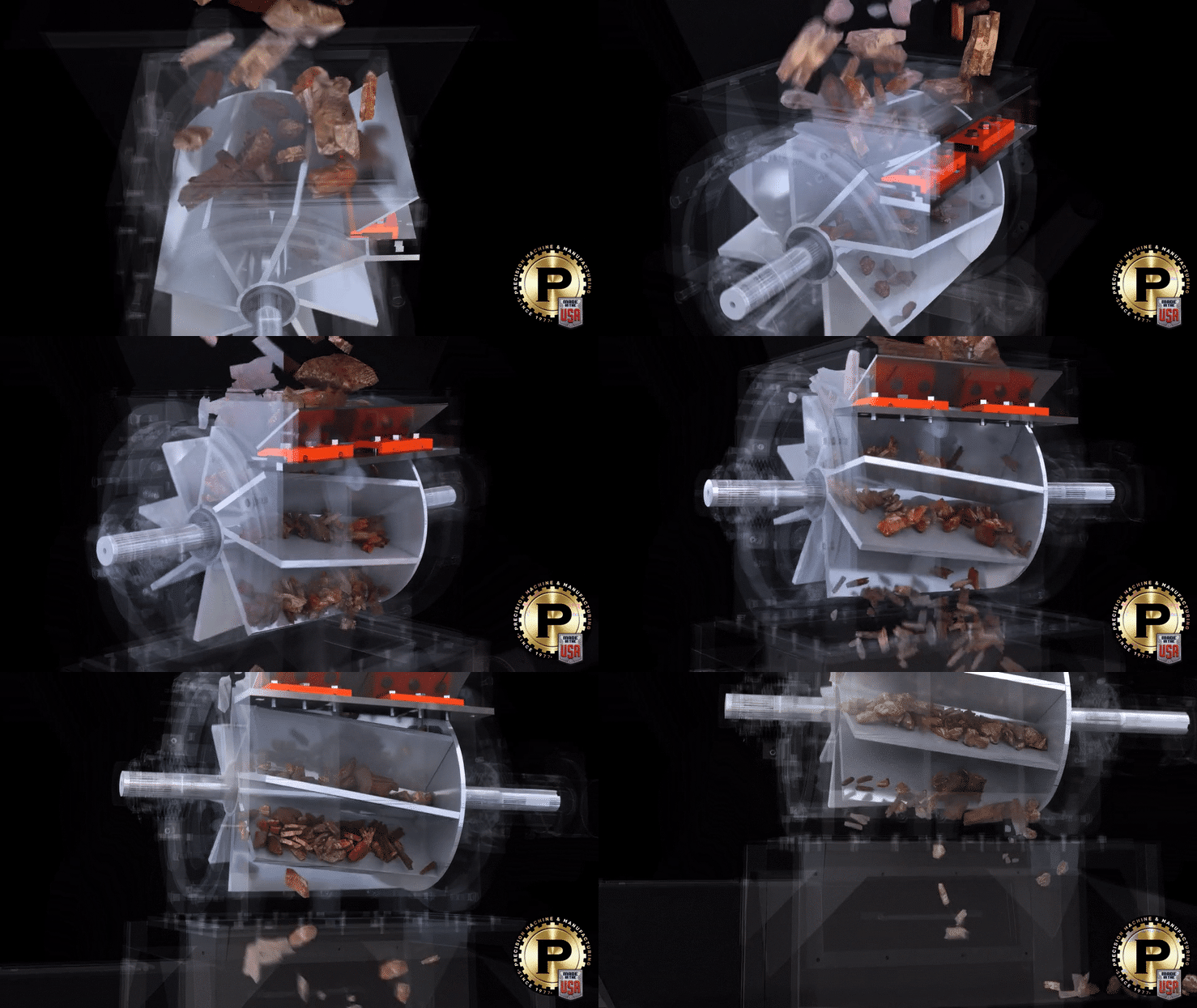
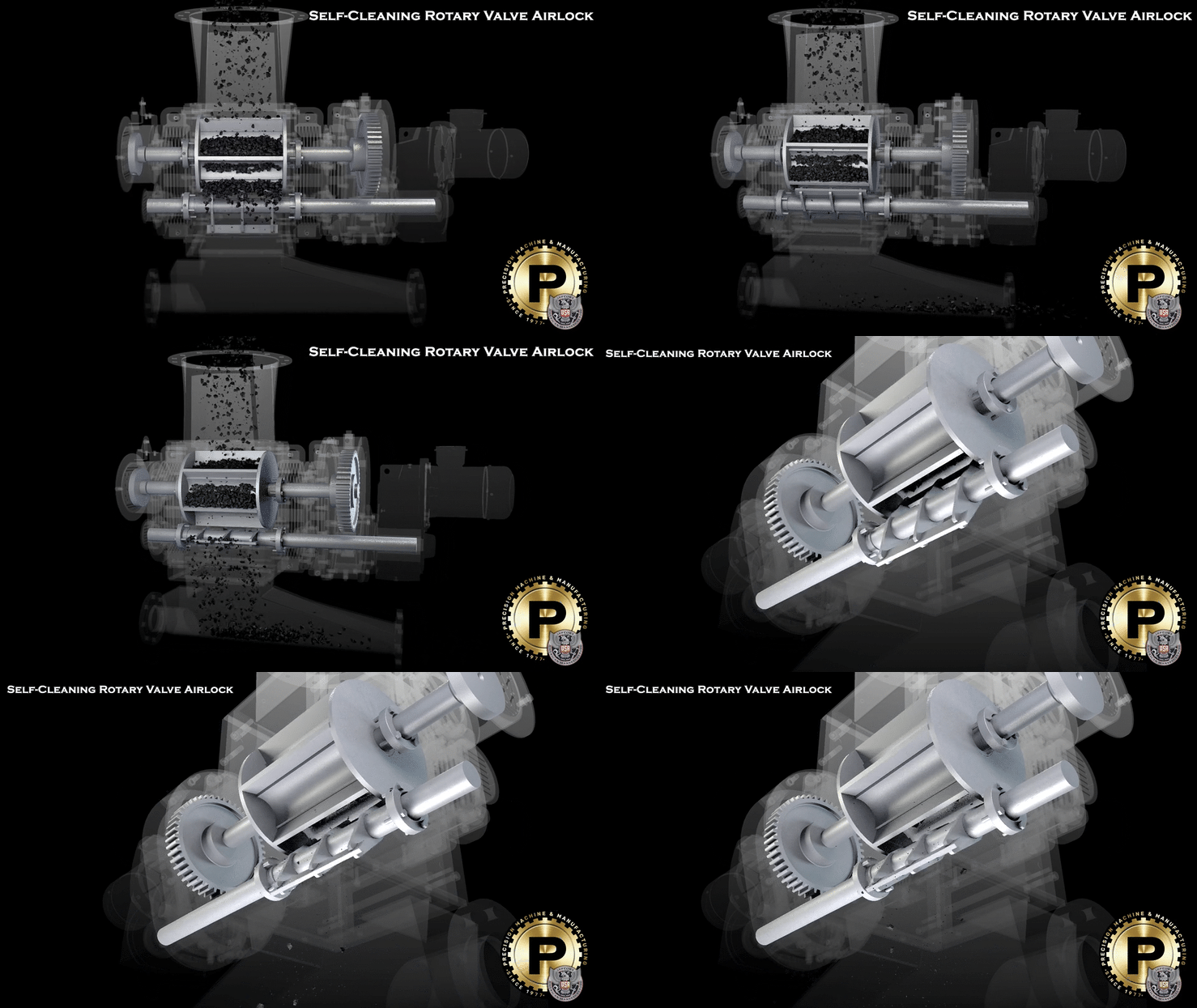
PMM engineered the application around our
Self-Cleaning
Rotary Valve Airlock, along with the necessary upper and lower transitions
to accommodate the unconventional installation.
The valve was installed at approximately 60 degrees while
still being required to perform three critical functions:
Maintain
the required airlock
Meter
the lignite coal consistently
Deliver
4–6 MTPH into the Raymond mill
But ultimately, the most important requirement was much
simpler:
Eliminate the daily rotor cleaning and give the plant a
reliable system.
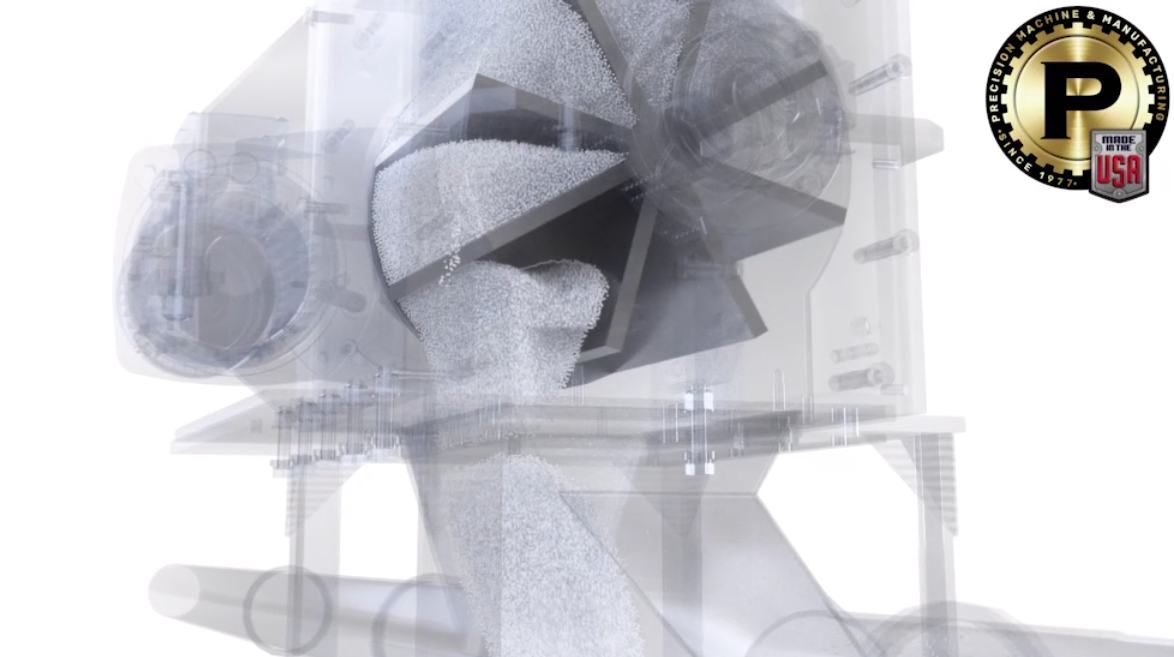
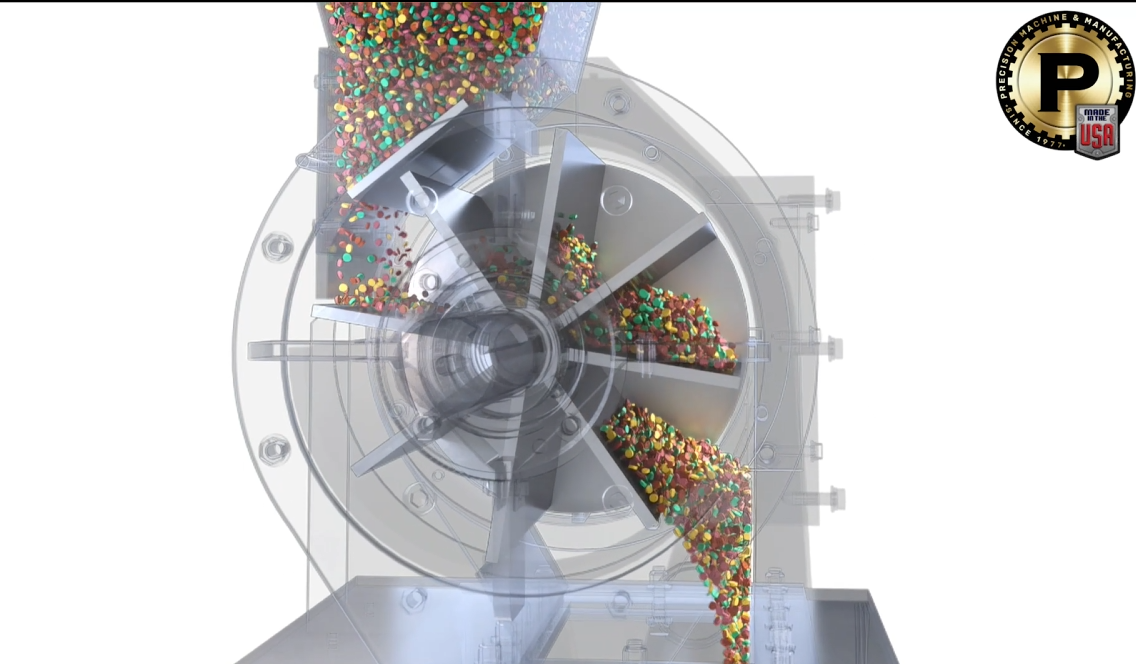
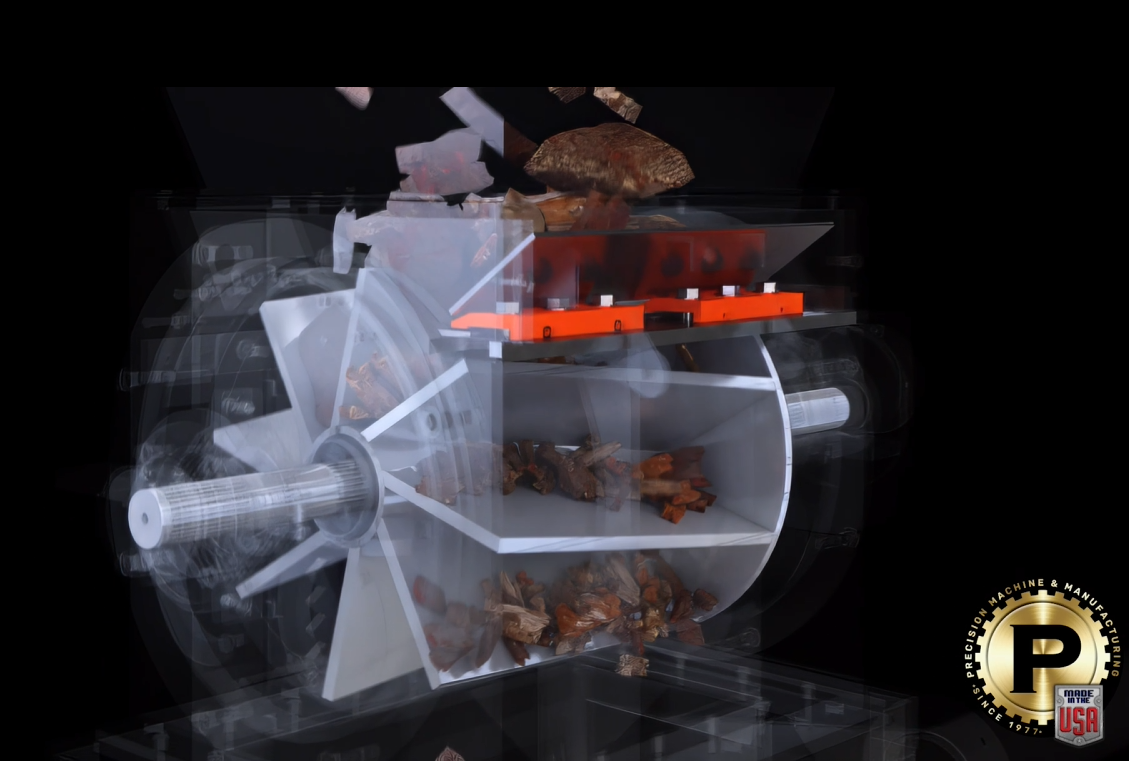
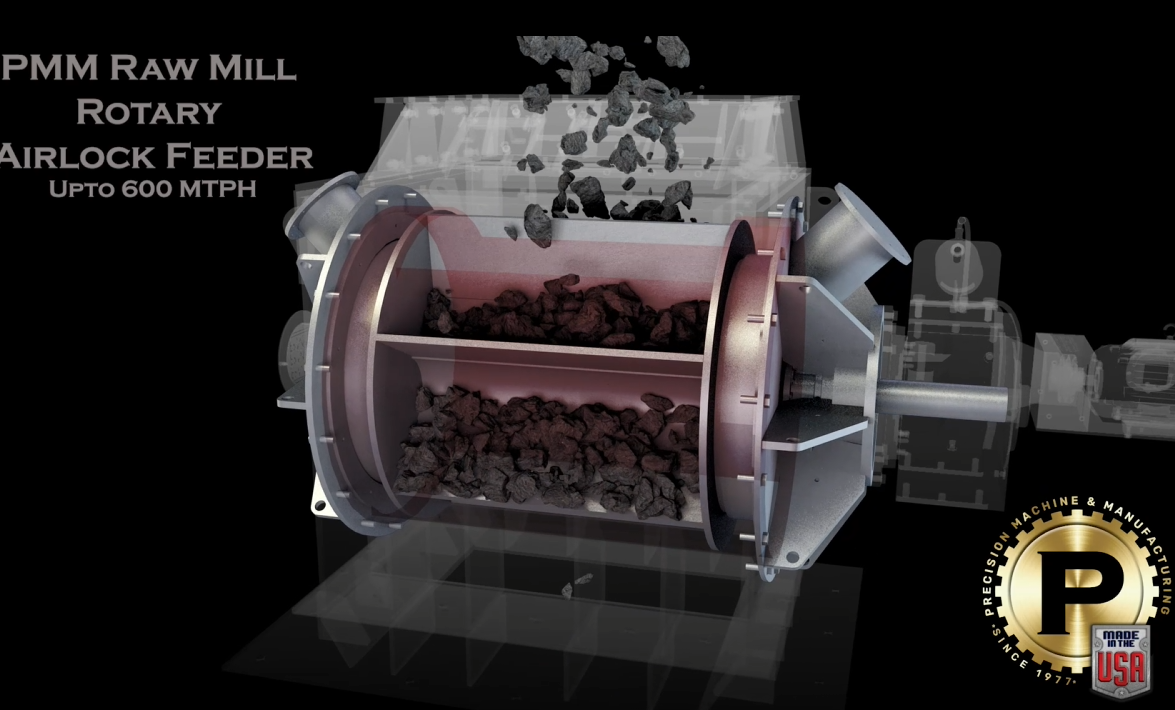
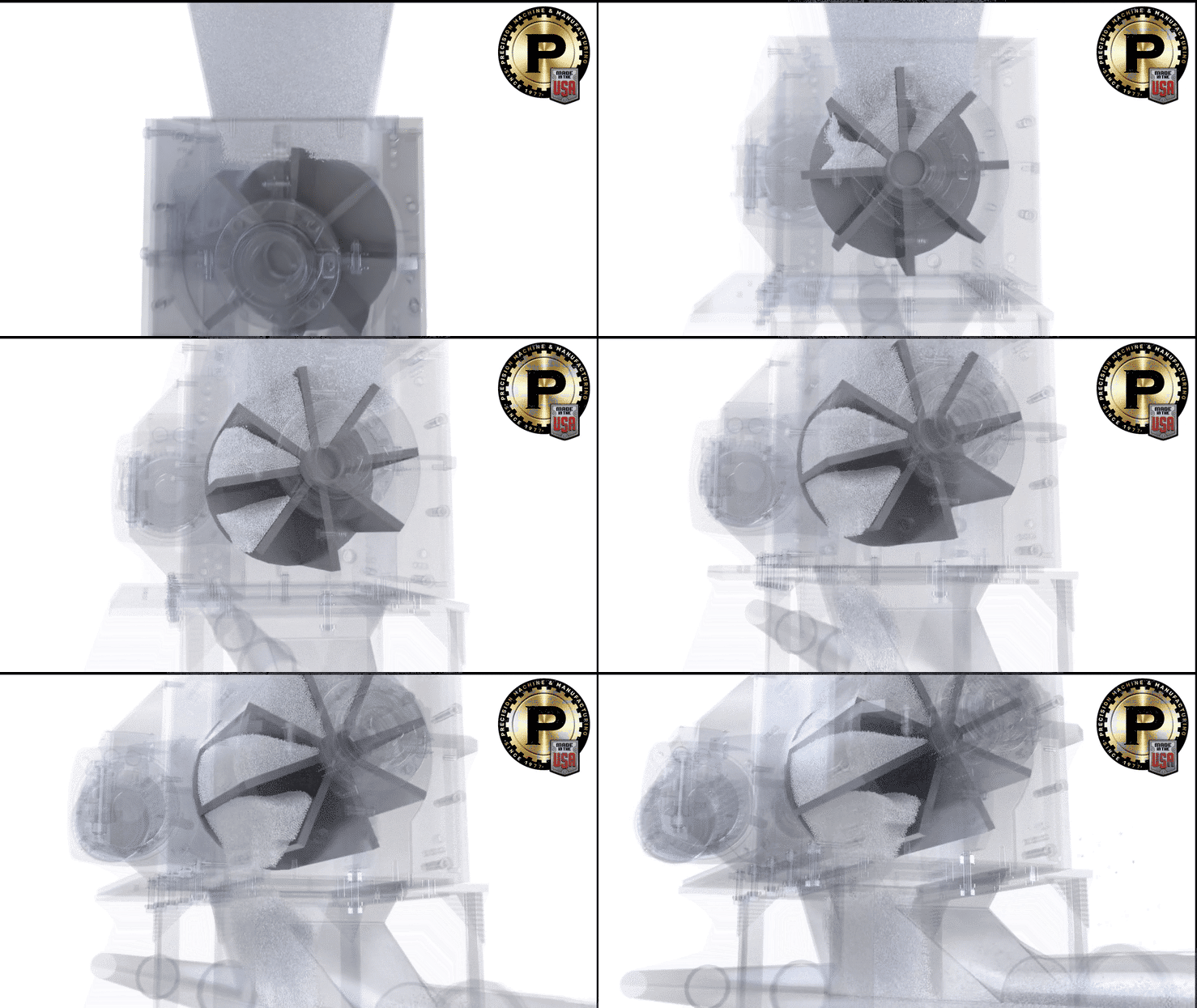
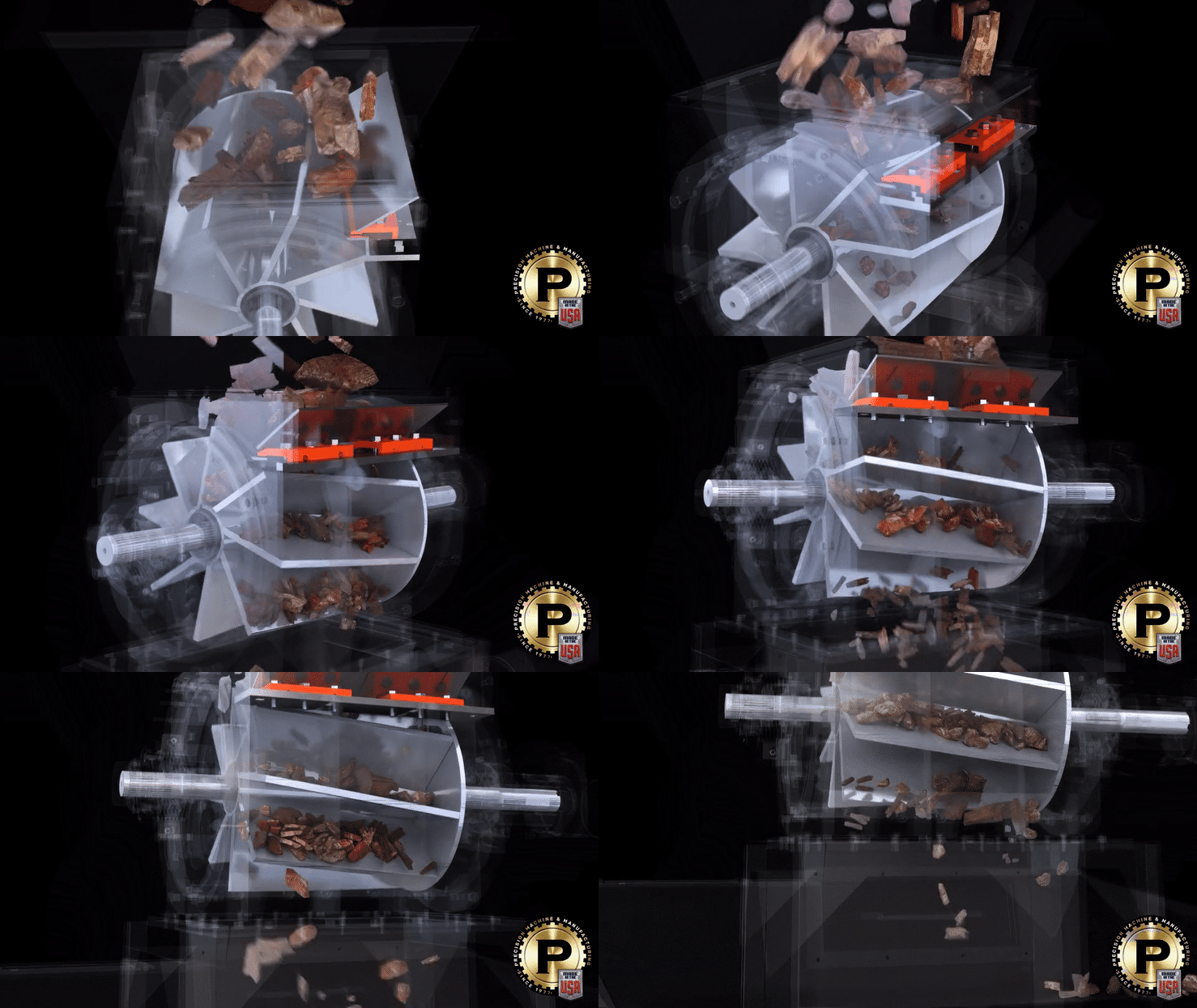
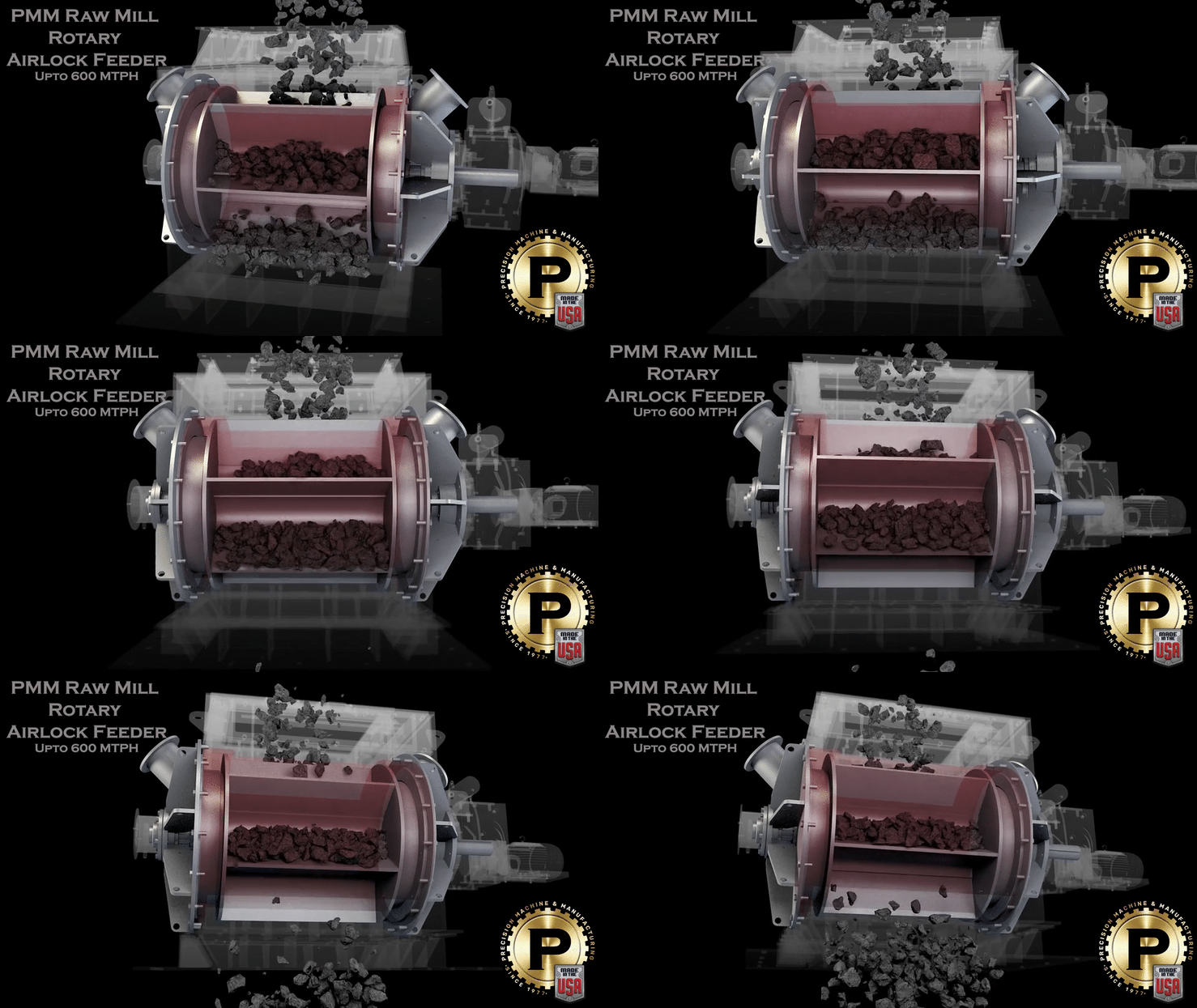
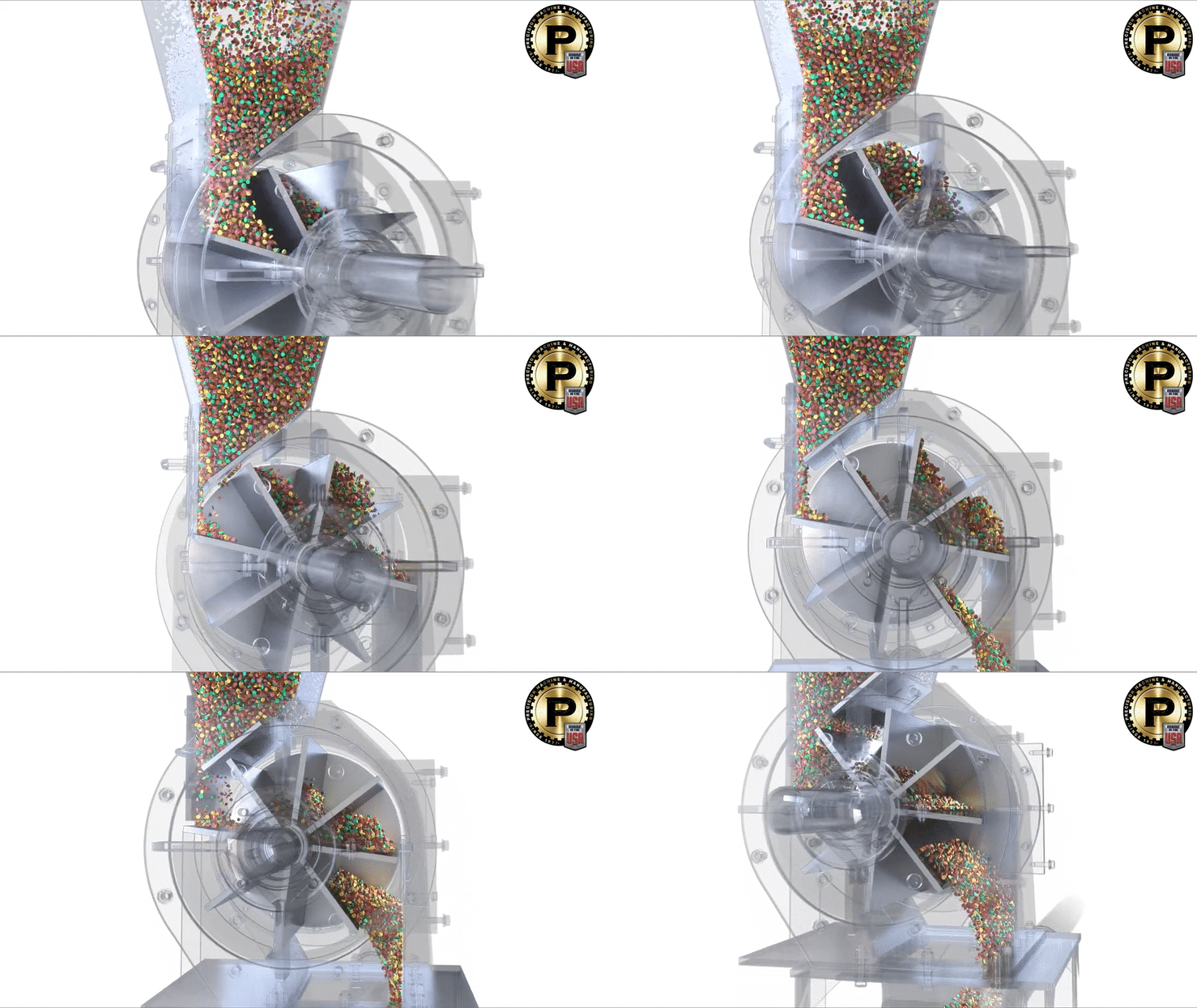
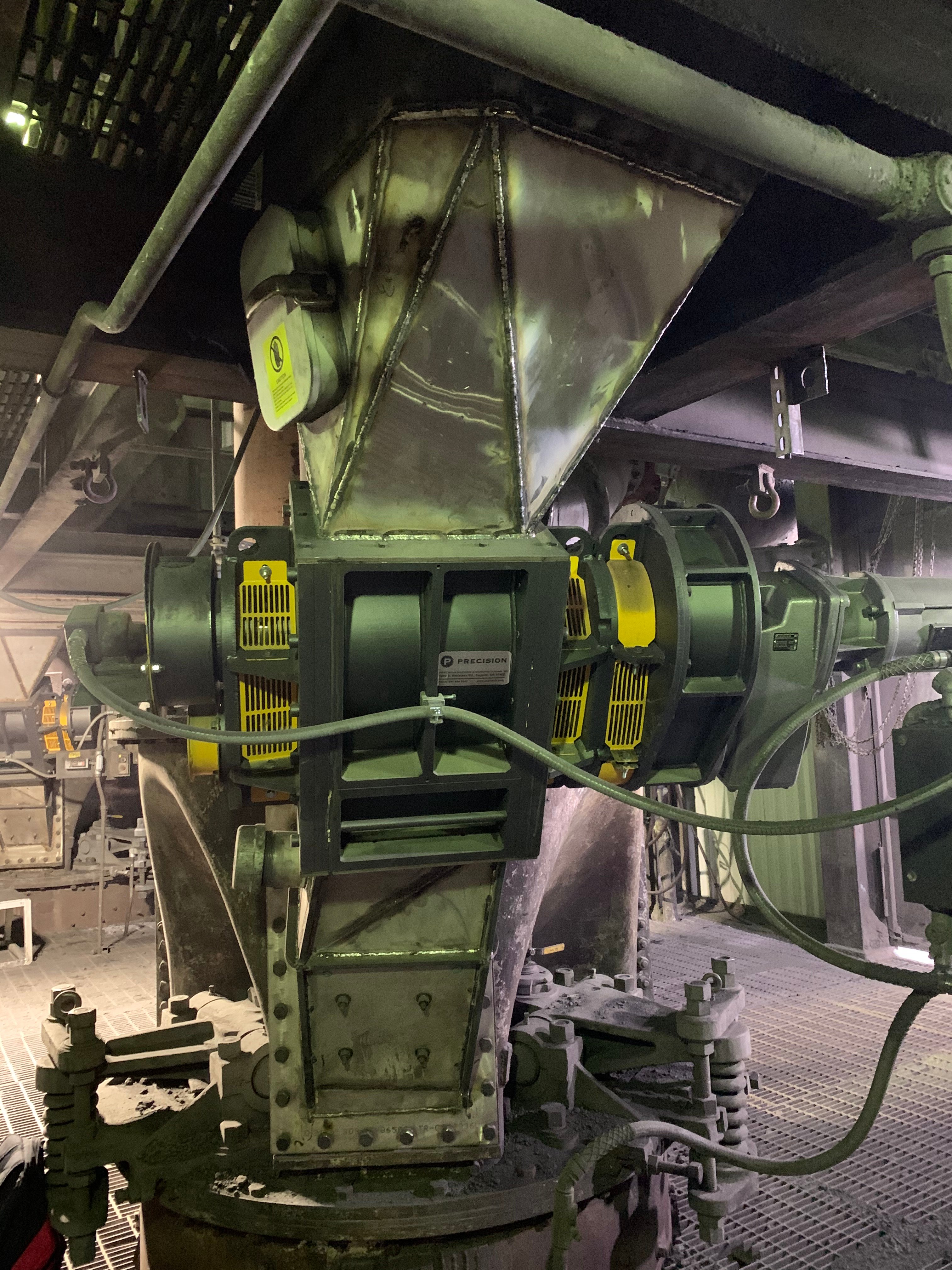 PMM Heavy-Duty Self-Cleaning Rotary Valve feeding a Raymond Coal Mill
Six Years Later
This is where the story gets interesting.
The PMM Self-Cleaning Rotary Valve eliminated the daily
rotor cleaning required by the previous valve.
But solving the immediate problem was only the beginning.
Man...
+ Read more
Six Years Later
This is where the story gets interesting.
The PMM Self-Cleaning Rotary Valve eliminated the daily
rotor cleaning required by the previous valve.
But solving the immediate problem was only the beginning.
Manufactured from abrasion-resistant steel and
surface-treated to increase the hardness of critical internal surfaces to
nearly 60 HRC, the valve was designed for the abrasive environment it would
encounter.
Today, the valve has been operating 24 hours a day, seven
days a week, for six straight years.
The plant inspects the valve annually as part of its normal
maintenance program.
In those six years, the valve has required no maintenance.
It continues to meter 4–6 MTPH of abrasive lignite coal
into the Raymond mill and has already outlived its predecessor by at least four
years and counting.
The Bigger Lesson
It's easy to look at an application like this and conclude
that the solution was simply a better rotary valve.
It wasn't.
The solution came from understanding the entire application.
Material characteristics mattered.
Correct sizing mattered.
Inlet and discharge geometry mattered.
Available space mattered.
The operating angle mattered.
And understanding how all of those variables interacted
mattered.
A lower acquisition cost doesn't mean much when a component
requires daily attention, increases maintenance expense, or becomes a
production constraint.
Buying a component and solving an application are two
very different things.
Performance Builds Trust
Precision Machine & Manufacturing's relationship with
this cement plant began in 2015 with an opportunity to solve a difficult bulk
material handling problem.
That successful application led to another.
And then another.
Over time, the plant began deploying PMM heavy-duty Rotary
Valve Airlocks in increasingly challenging applications and replacing rotary
valves from other manufacturers throughout the facility.
That's the part of this story we're most proud of.
Not simply that one Self-Cleaning Rotary Valve has operated
successfully for six years.
It's that performance earned enough trust for a customer to
continue bringing us the problems that are hardest to solve.
When someone asked the plant's
Maintenance Manager about the key to the plant's success, his response was:
“Precision Machine &
Manufacturing has made my plant successful!”
We appreciate the compliment!
But after nearly a decade of
working together, we'd put it a little differently:
When you take the time to
understand the application, engineer the right solution, and deliver measurable
results, you earn the opportunity to solve the next problem.
That's real-world problem
solving and together, we have made his plant successful!
- Read less
Published by Precision Machine & Manufacturing Inc. on Aug 28, 2026





.gif)
-file153851.gif)